
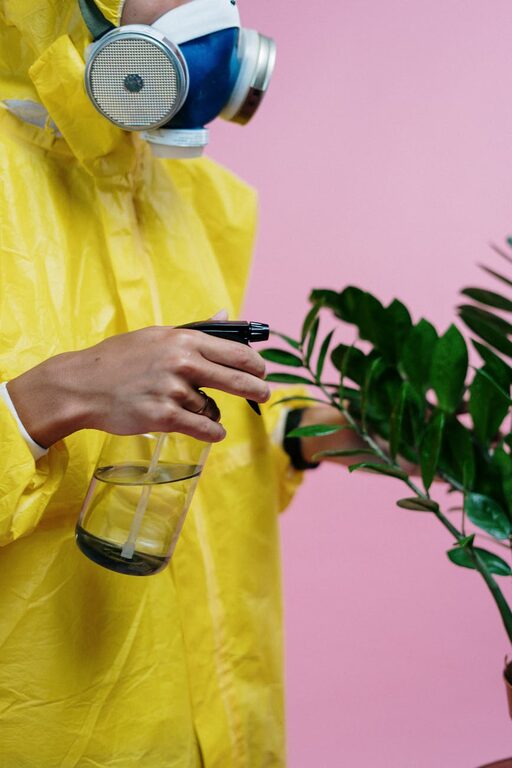
Bringing houseplants into your home adds beauty, freshness, and even improves indoor air quality. However, keeping them healthy can sometimes feel challenging, especially if you’re new to plant care. The good news is that with a few simple tips, anyone can help their indoor plants thrive. In this post, we’ll explore key strategies to maintain vibrant and healthy houseplants.
Choose the Right Plants for Your Space
Before diving into care routines, it’s important to select plants that fit your environment. Different plants have varying needs for light, humidity, and temperature.
– Low light plants: If natural sunlight is limited, consider snake plants, pothos, or ZZ plants.
– Bright light plants: Succulents, fiddle leaf figs, and spider plants enjoy strong, indirect sunlight.
– Humidity-loving plants: Ferns, peace lilies, and calatheas thrive in higher humidity, which may require occasional misting.
Matching plants with their ideal conditions makes care easier and helps your plants flourish.
Provide Proper Lighting
Light is one of the most critical factors in plant health. Insufficient or excessive light can cause leaf yellowing, drying, or slow growth.
– Understand natural light: Observe where sunlight enters your home and how intense it is. South-facing windows usually provide the most light.
– Use sheer curtains: To protect plants from harsh direct sunlight that can scorch leaves.
– Rotate plants: Turn your pots weekly so all sides receive adequate light and promote even growth.
If natural light is lacking, consider investing in grow lights designed to provide suitable light wavelengths for photosynthesis.
Watering Basics: Less Can Be More
Overwatering is one of the most common mistakes plant owners make, often leading to root rot and other issues.
– Check soil moisture: Before watering, stick your finger about an inch into the soil. If it feels dry, it’s time to water.
– Water deeply: When you water, soak the soil thoroughly until water drains from the bottom. Empty excess water to prevent sogginess.
– Adjust frequency: Watering needs vary with plant species, pot size, and seasons. Plants generally require less frequent watering in winter.
Using pots with drainage holes is essential to prevent standing water at the roots.
Maintain Appropriate Humidity and Temperature
Most houseplants prefer moderate humidity levels between 40% to 60%.
– Increase humidity: Use a humidifier, group plants together to create a mini microclimate, or place a tray with water and pebbles beneath pots.
– Avoid drafts: Keep plants away from cold drafts, vents, or heaters which can cause stress.
– Ideal temperatures: Most indoor plants thrive between 65°F and 75°F (18°C to 24°C).
Keeping a consistent temperature and humidity level encourages healthy growth.
Fertilize to Support Growth
Houseplants benefit from occasional feeding to supplement nutrients in the soil.
– Choose balanced fertilizers: Use water-soluble fertilizer or slow-release pellets formulated for indoor plants.
– Feed during growth seasons: Generally, feed in spring and summer when plants are actively growing; reduce or stop fertilizing in fall and winter.
– Follow instructions: Avoid overfertilizing, which can damage roots or cause salt build-up.
Proper fertilization helps maintain lush leaves and blooms.
Prune and Clean Regularly
Routine maintenance keeps plants healthy and looking their best.
– Remove dead or yellowing leaves: This helps prevent disease and encourages new growth.
– Trim leggy growth: Pruning encourages bushier, fuller plants.
– Clean leaves: Dust can block sunlight from reaching leaves. Wipe them gently with a damp cloth or give the plant a gentle shower.
Healthy plants are better able to resist pests and diseases.
Keep an Eye Out for Pests and Problems
Even the best cared-for plants can face issues from pests or diseases.
– Inspect regularly: Check under leaves and along stems for signs of pests like spider mites, aphids, or mealybugs.
– Use natural remedies: Mild soap solutions or neem oil sprays can control many common pests without harmful chemicals.
– Repot when needed: Over time, soil depletes of nutrients and compacts. Repot plants every 1-2 years with fresh soil to support healthy roots.
Early detection and action keep your plants happy and thriving.
Final Thoughts
Caring for houseplants is a rewarding hobby that can brighten your living space and boost your mood. By choosing appropriate plants, providing the right light and water, and maintaining good habits like cleaning and pruning, your indoor garden will flourish. Remember, patience and observation are key—each plant is unique and learning its needs comes with time.
Happy planting!